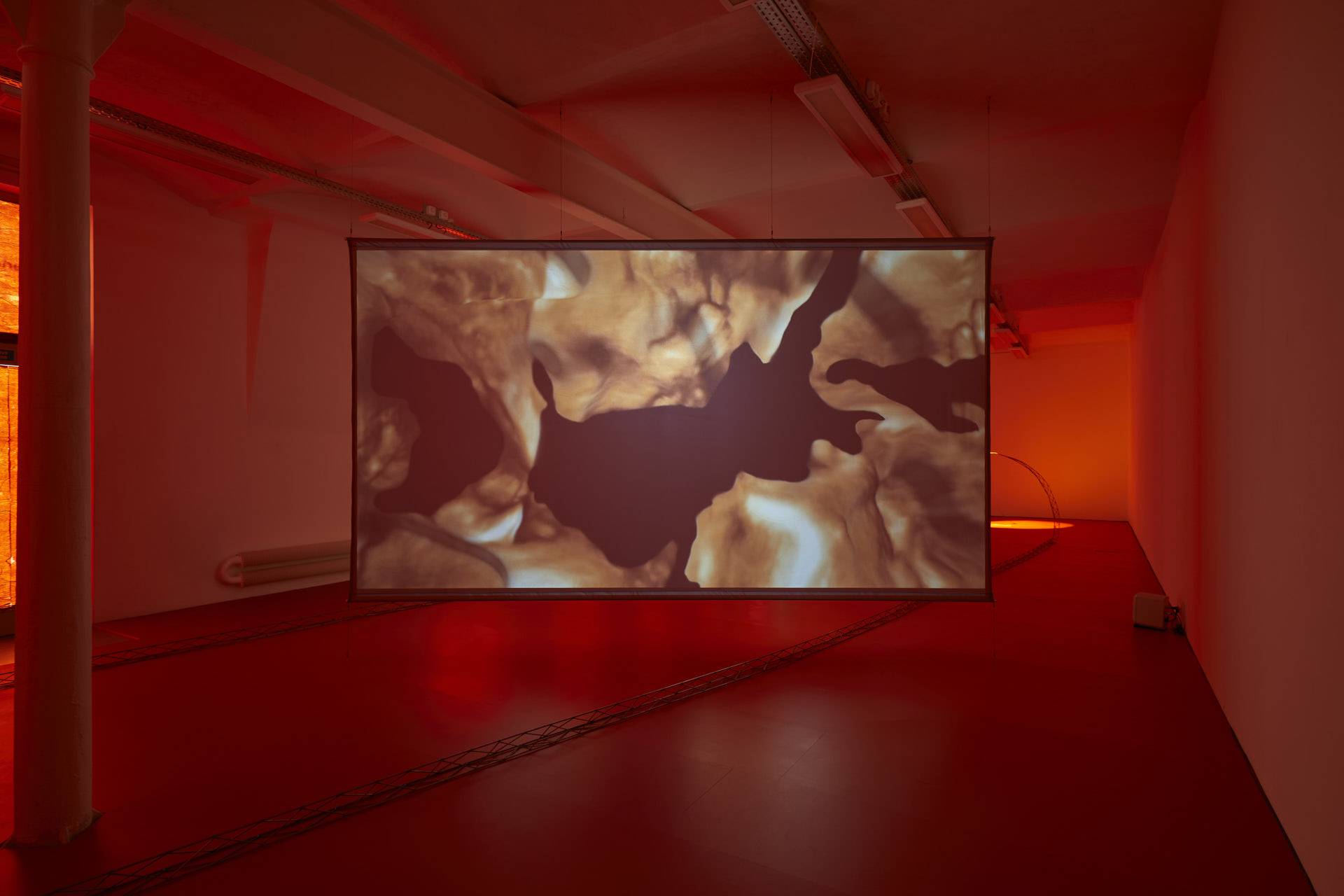
What constitutes our memory of bodily experience? What role do images and artistic figures play in such memorizing? What storytelling techniques can we use to mediate body memory in order to avoid not only the dichotomy of body/consciousness, but also male/female, subject/object, individual/collective?
Focusing on the topic of body memory and its relationship to visual representations and their technologies, this artistic research critically addresses the existing medical representations of the body as an archive of our memory of it, and at the same time tries to create its own methodology of mediating body memory through digital image. Specifically, the research deals with bodily experiences within the field of gynecology and reproductive medicine.
Wombs & Brains (Mm..Fantasy)
film, 9 min 14 sec, 2022
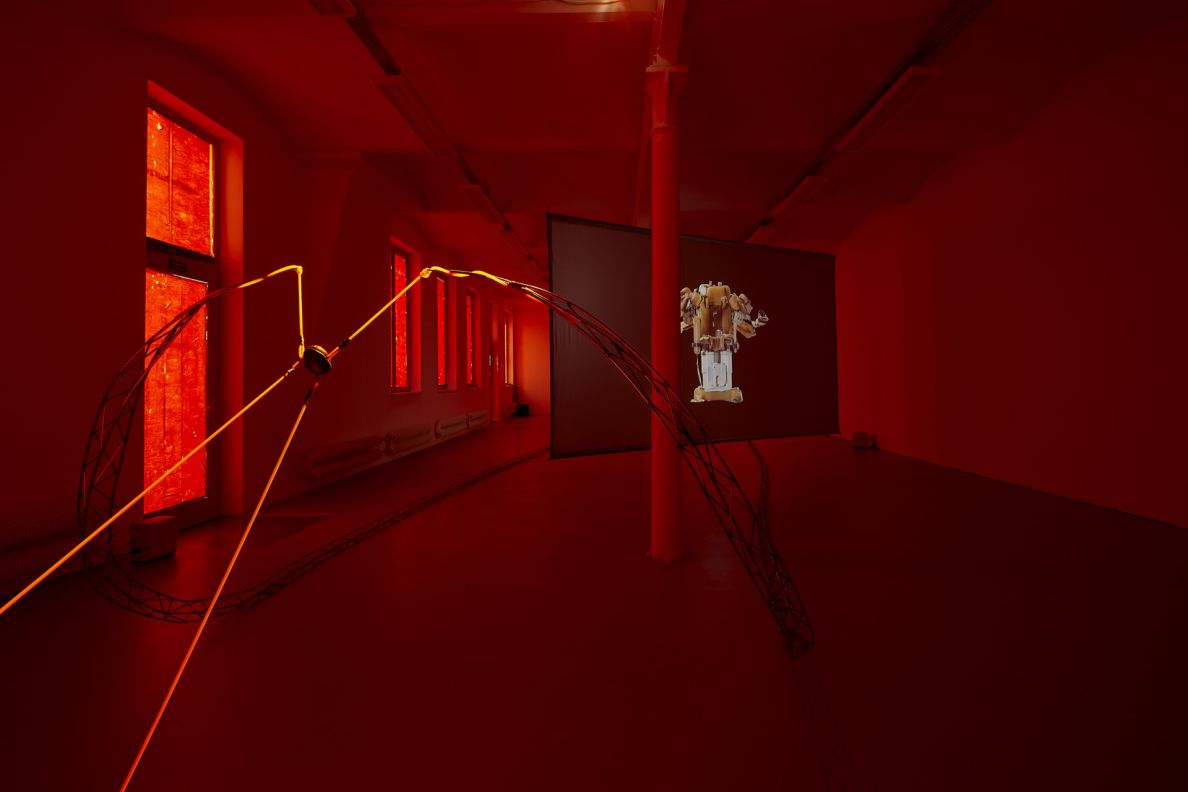
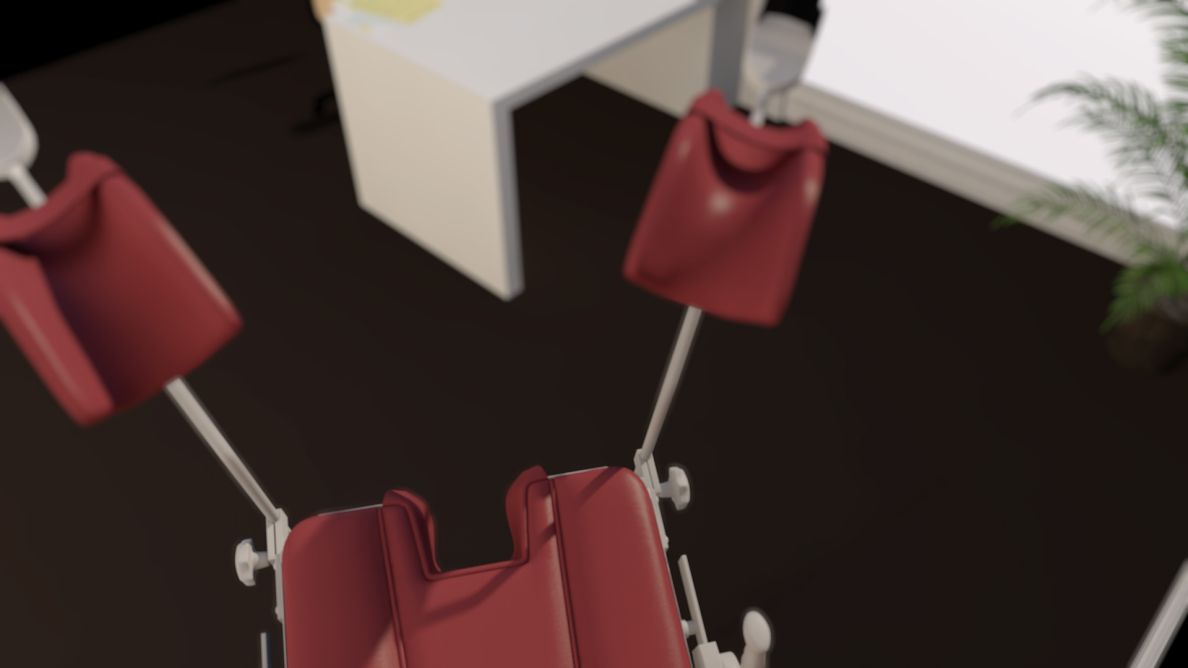
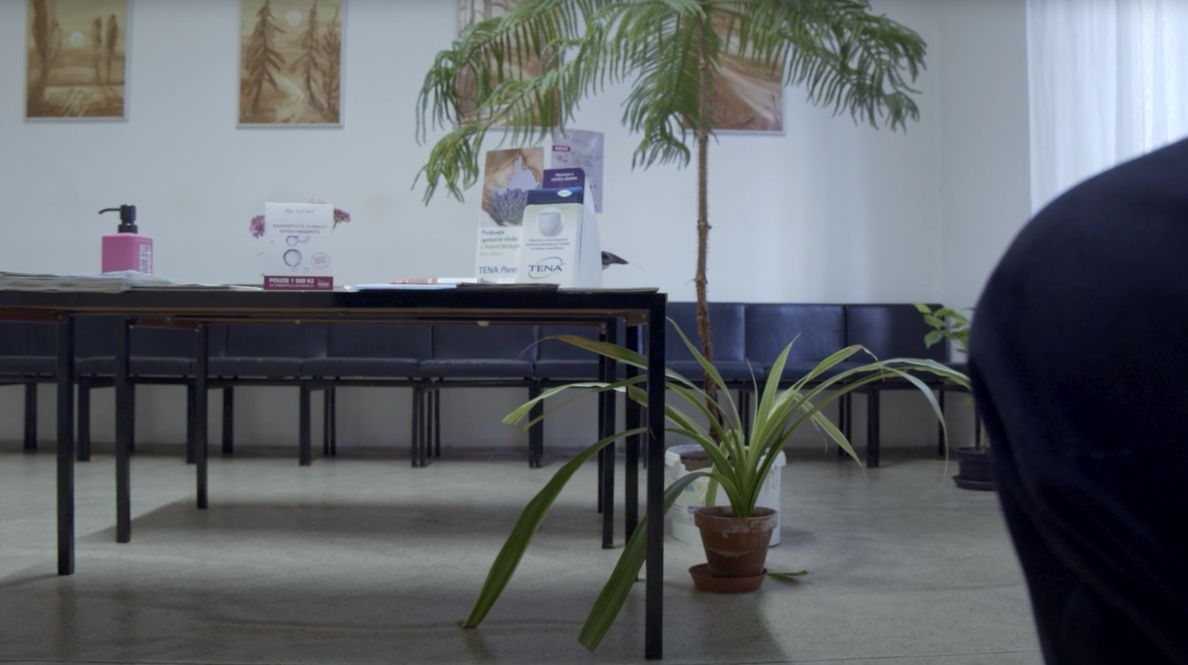
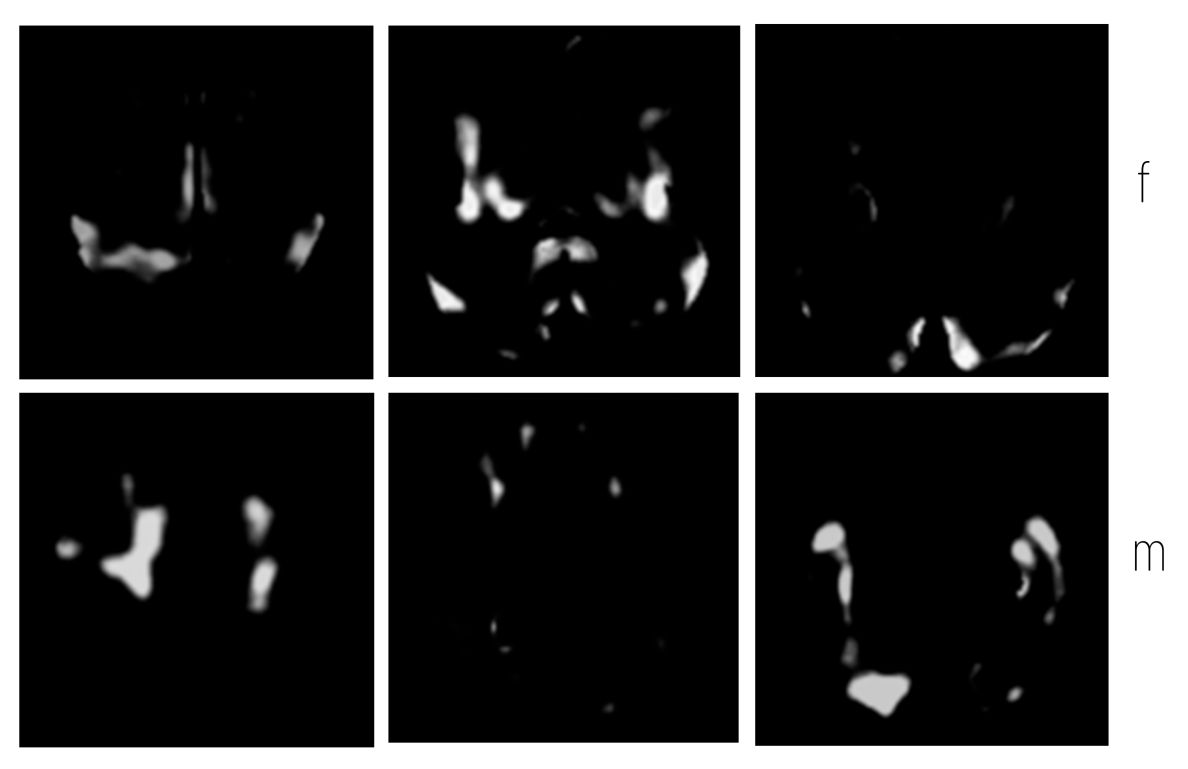
Encountering images of one's own body during a medical examination can create an easy alienation. The film Wombs and Brains is a short experimental documentary based on autobiographical memories as well as scientific narratives related to body memory. Through camera lens, 3D visualization and simulation, the artist performs her own way of looking at embodiment as an intersection of various memories and histories.